Showing posts with label childhood. Show all posts

Friday, November 22, 2013

50 years and it still hurts


I have talked about John F. Kennedy on my blog before.  He was the first president I remember well as a child.  I used to confuse Eisenhower with the president of my church, David O. McKay, but at age 9, when President Kennedy was elected, I definitely knew and was mesmerized by the new, young family in the White House.  I was also more aware of current world events such as the civil rights protests, the Bay of Pigs, and definitely the Cuban Missile Crisis.  That last one kept my worry wart (my parents' nickname for me) self up nights.  I wrote about that time in this post.

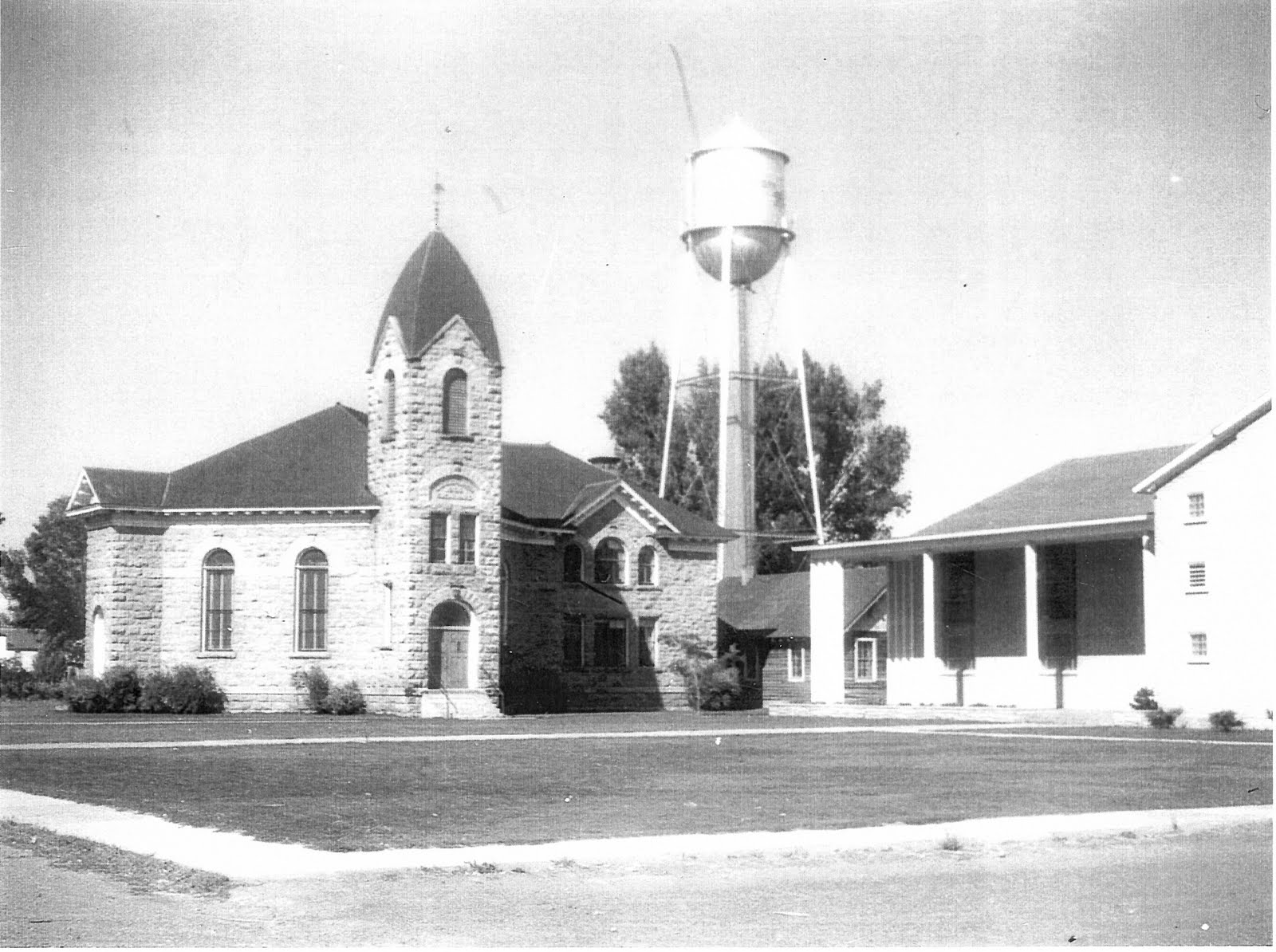
Fifty years ago today, Jackie was dressed in a pink suit and pill box hat and exiting a plane in Dallas, Texas in company with her husband.  It would become the worst day of her life.  I was in my 5th grade classroom at Edmunds Elementary located on a quiet country corner across from the church in Plano, Idaho.  Edmunds was several miles from my home near Sugar City.  It was a daily school bus ride.  Some years ago I tried to find this school again for I have many happy memories of my 3rd through partial 6th grade year.  I drove this way and that, but never found it.  I googled it today and found out why.  Here is a copy of the history.

Edmunds Rural High School # 1

Edmunds is in the northwest corner of Madison County. Its western border is desert. There is mention made in the histories of the Brown family, who moved to the area in 1889, of attending school in log building located out in the field owned by the Edward Hemsley family. Later this building was moved to Egin.
The next building was a white frame building located on a corner now where the Plano Community Park is. It was in use in 1906. Some time after this, a building was erected on this corner. It was a red frame school consisting of a large room that could be divided with a curtain to make two classrooms. It also had upstairs rooms.
In 1925 this school was torn down and another built on the site. It was built of yellowish brown brick and was intended to house both elementary and high school students. At this time the districts of Plano, Edmunds, and Egin joined together to form a district, Joint Rural High School # 1. This was a large building with a gym and a stage. When the Sugar City Central Elementary School was built all students went to Sugar City. The Edmunds building was later sold and torn down.

I remember the interior of this school well. Four classrooms (one for 3rd, 4th, 5th, and 6th grades) and the Principal's office opened onto an open hallway which in turn surrounded the gym which was a godsend for kids during cold, cold Idaho winters.  The stage was on the south end of the gym and a lunchroom and kitchen were through a door on the east side of the stage.  There was a "media" room on the west side, or media as we had in those days.  We watched educational shorts from a projector on a white screen every Friday afternoon. I can still hear the whap, whap at the end as the last frames of film left one reel for the other.  Now in retrospect, I am sure our movie time was teacher prep time for the next week.

We did not watch movies on Friday, November 22, 1963.  We had our daily yummy lunch (our lunch ladies cooked from scratch and it was good food), enjoyed lunch recess, and then returned to our classrooms.  The 5th grade room was located on the northwest corner of the school.  Mr. Clements was my teacher.  It was he who told us of the terrible event that had occurred in Dallas, Texas and that our beloved president was dead.  I will never forget the sick feeling that overcame me.  I really just wanted to go home to my mother, but we had a couple of hours to endure before that long bus ride through the country side.  Mr. Clements seemed to be in shock.  He sat silently at his desk with his head down for the remainder of the day. Looking back on this as an adult and a teacher who dealt with students during 9/11, I understand his pain, but I think he failed us as a teacher that day.

In 1963, our family did not own a television.  My father, the ever busy farmer, dairyman, and night shift worker during the winters in the lab at the sugar factory, felt that TV watching was a waste of time.  The assassination of President Kennedy was a time of great national mourning and the nation was watching it together.  My mother went and rented a television set with option to buy.  Thus, we watched on live TV as Ruby shot Oswald, a riderless horse clip clopped down Pennsylvania Avenue, and John John saluted his father one last time.  My mother also purchased a hard cover picture filled memorial book which was later delivered by mail. I studied that book intently.  Over the years I have listened to, pondered, and watched the many theories of why and who and was it a conspiracy.  This month I have watched, listened, and pondered more as this 50th year has arrived and many documentaries have been produced.  It was truly a defining moment of my childhood.

Earlier this year, I read a memoir by Clint Hill, secret service agent assigned to Jackie Kennedy.  I talk about that book in this post.


This is a picture I found of Mr. Hill as he clung to the back of the car after running to it as shots rang out.  He has been talking on many of the shows I've watched during this 50 year anniversary.  I think that the writing of his book, Mrs. Kennedy and Me, has finally enabled him to talk about that day publicly.  He still feels that he failed the President and his wife some how.  I remember my pain and wonder about his.  How would you deal with such an event when it was your job to protect?

Tuesday, July 19, 2011

Idaho, Days 8 & 9, Rexburg


I resisted and did not shake or blow on this seed ball. I found it on the "dairy grounds." Another Idaho childhood memory, the fun of spreading dandelion seeds all over the yard!

After visiting with Uncle Keith, we returned to Rexburg for a visit with Uncle Roger and Aunt Elna. Both of them have had joint replacement surgeries this last year and both have had major complications. It was so sad to see them hurting. They also both celebrated their 80th birthdays this year. They have always welcomed us whole heartedly into their home over the years and it was so good to see them again. Our family of six kids would land on their doorstep every summer for a couple of weeks and all we felt was love. Once I became a parent myself I realized the enormity of their hospitality. Double the number of children in the house to 12, no problem. Feed all those hungry mouths, do extra laundry, clean and clean some more, wait up for Laurel (sorry), no problem. Roger and Elna really were like our second parents. They also supplied much moral support for our mother who was raising 6 children single handedly but also caring for an incapacitated husband.We had a good visit with them in their lovely home which now overlooks the new Rexburg Idaho Temple. Their daughters Gloria and Diane were also there visiting so we saw our cousins as well.

While visiting with them, we found out that one of their Nyborg cousins had passed away and that Gerald, Juanita, and Keith would be leaving early in the morning to attend the funeral in Preston. We had scheduled to visit Gerald and Juanita the next day but changed plans and went to their house after seeing Roger and Elna. We had a good talk with them about retirement and what a large segment of one's life that can be. Gerald and Juanita had just returned from a visit to the Twin Falls area where both of their daughters live and they are healthy, happy, and handy. I loved Juanita's 4th of July decorations. Gerald told us of the trip he and Keith had recently made to southern Utah. Their cousin, Warren Foote, had invited them to attend a family reunion near Orderville and they had made the additional drive on to the North Rim of the Grand Canyon for the first time as well.

The next morning we attended the temple, the first time inside for both Lynette and I.

It truly is beautiful and striking landmark on the hill. The repeated motif inside is a stalk of wheat.

That is a most appropriate motif as the front of the temple overlooks a wheat field. All the fields were this deep green. It was beautiful.

This is a view of the valley from the north side, a view that Roger and Elna have enjoyed since moving to their new house on the hill years ago. They still have this view from their back deck, but now with a beautiful temple to the right.

This property is where the Ricks College Dairy farm used to be. It was another spot where I would visit with my father on his rounds. I remember visits with J. Wendall Stucki, another friend of my father's, Department head at Ricks, and first Ricks College Stake President. Go here for more information about the history of the dairy. Once you read it, you will understand the common bond my father and Bro. Stucki must have enjoyed, prize Jersey cows.

All of the flowers looked so fresh and happy. Remember, I had recently departed my garden which was battling the heat of an Arizona summer.

After the temple, we drove a few blocks to the home of our cousin, Maija Lisa daughter of Keith and Raiija, and visited with her family. They were busy as always with half of the family participating in rehearsals for the musical, "Oliver" and the other half playing in strings recitals. The children were also being entreprenuers for the summer. The twins had a house number curb painting business and Mathew was making "zaberz" from pool noodles and PVC pipe. I bought two for my grandsons.

After our visit and the sharing of seven different kinds of cookies or treats ( a Finnish custom) we decided to use our extra time to drive out to the Wilford Cemetery from directions given to us by Maija Lisa.

We found the Nyborg section easily. We had been to the Sugar City Cemetery our first evening in Rexburg but had to dodge the sprinklers to find our Ricks and Ostler family members. This made it difficult to take pictures ( and also contributed to muddy feet :)

Andrew E. had moved his family from Mt. Pleasant, Utah to Idaho in the early 1900's to a farm not far from this marker. As you can see, he died while his son was in France during WWI.

His wife, Laura, died very unexpectedly six years earlier. Both deaths were a shock for my grandfather, Andrew Percy.

Andrew P. also died at only 60 from a heart attack. I remember the shock that was for my mother.

And now only 4 of their children are still living, the three we had seen this visit as well as Milton who lives in California. The generations really do pass quickly.

The marker of the youngest daughter, Nola, who unfortunately suffered the effects of dementia much like my mother.


Lowell, who served in WWII and was shot down and captured as a POW by the Germans. He received the Purple Heart.

And his father has an additional marker noting his service in WWI.

Lowell never married, and his name has been added to the marker with his grandparent's names.

Raiija's headstone is the most recent in the Nyborg plot. I understand that three of my cousins, Gayla, Shauna, and Maiija Lisa ran into each other at the cemetery without planning it when decorating graves for Memorial Day this year.

Our final stop before heading back to Provo that evening was the new BYU-Idaho Center.

It is an amazing space, dare we say mini Conference Center. There is seating for 15,000.

There are three levels and students are encouraged to study and relax here.

We enjoyed the art on each level including Book of Mormon related pieces by Minerva Theichert that I hadn't seen anywhere else, large prints of Carl Bloch's paintings of Jesus Christ, and art of the west by artists such as Maynard Dixon.

We headed south again after picking up Annette and eating at Cafe Rio. Yes, Rexburg now has a Cafe Rio plus too many apartments to count. BYU-Idaho and its change to a four year university is really transforming Rexburg. When we stopped for gas in Pocatello, we also purchased our Idaho Spud candy bars. A trip to Idaho would be incomplete without the "spuds."

Sunday, July 17, 2011

Idaho, Childhood Days, Sugar City

These pictures were taken in the late 50's or early 60's and show how things looked when I was a child and in elementary school. This is how "my Sugar City" looked before my family's move to Arizona in November of 1964.

This is my childhood home located southwest of Sugar City on the farm which my grandfather, George Ostler, had farmed and which my grandmother's mother's family had farmed. The farms surrounding my father's (purchased from his father) were the farms of his aunts and uncles and my great aunts and uncles.

This is the west side of the house and the windows overlooked the barns and sheds. The main part of the house was a log home to which additions were added. My grandmother used to tell me that it was the first log cabin on the north side of the North Fork of the Snake River. The benefit of those logs was insulation; cool in summer and warm in winter.

Left to right: An enclosed porch with storage cupboards and drawers by the windows and it was also where my mother's wringer washing machine was located. We also played here in the winter when it was too cold to venture outside. The door to the right of the window was the main entrance we used to the house. It was a rare day when someone would knock at the front door, usually some kind of solicitor. They did well at my house. I remember the purchase of encyclopedias, a vacuum cleaner, a record player with records, and the Fuller Brush man.

Next on the right is the kitchen window above the kitchen sink. It was a big room and also held our table and chairs. There was also a large walk in pantry which shared a wall with the porch.

The smaller window was for the only bathroom with the tub directly under this window. That tub was full of dirty kids every Saturday night in preparation for the Sabbath.

The other addition on the right was my parents' bedroom. It also served as my mother's sewing room and a nursery as there was also usually a crib in there as well for the newest baby. Mom kept a radio in her bedroom/sewing room which she loved to listen to while she sewed. I spent many a Sunday afternoon on my parents' bed listening to radio dramas the titles of which I can not remember.

This was my mother's view from her kitchen window. Left to right: Laurel, Janis, Lynette, and Farrell. I loved that car. The back seat area was big enough to play house!

On the east side of the house (not seen) was a large living room with entrance from the kitchen and a large bedroom for all the children accessed by a doorway on the north wall of the living room. I think that these two rooms were probably the original log structure as the windows were older, long narrow windows with several panes of glass. There was also a foundation off the front door which lead directly into the living room. I think it was meant to be another porch but was never finished off. The east windows looked towards the front lawn bordered on the east by a canal and the road which ran north/south between Moody Road and the highway leading into Sugar City.

This is the old Park School which was located on the east end of town on the south side of the highway. It contained four classrooms, two 1st grade rooms on the bottom floor and two 2nd grade rooms upstairs. It had a beautiful central staircase in the middle. It was a great honor for a 1st grader to be sent on an errand upstairs.

This school served my extended family for several generations. I have seen pictures of my father as a student in front of this school. It was built in the early 1900's. All of the 1st and 2nd graders from Sugar City and the farms surrounding it were bused to this school. School buses would pick up all of the school age children from the farms. Once in town, the 1st and 2nd graders were dropped off at Park School first, then the high schoolers at the high school on the west end of town, and finally the elementary 3-6th graders stayed on the bus and traveled several more miles to Plano School to the west or Newdale School to the east. Sugar City was pretty much divided down the middle and it was pretty traumatic to suddenly be separated from one's friends in third grade.

Look at the playground swings and merry-go-round. Siblings, those children might be you! The cars in the parking lot certainly fit our era. Also notice the long slides coming of the little flat roofed addition at the back. That was one of my favorite places to play. One of the two recess activities I most remember were the reenactment of "The Wizard of Oz" the week after its yearly broadcast on TV on a Sunday afternoon. This was played out under the massive trees on the property whose exposed roots provided furniture and thrones and other things. We also followed the yellow brick road through a large patch of grass to the east of the trees. There was not a TV at my home, so that was usually one of the Sunday afternoons that I would maneuver an invitation home from Sunday School with Karen Forsyth.

The other fun activity was playing Red Cross nurses for the boys who were at war. We would sneak band aids, gauze, and other supplies from home to patch up our men in combat. This was mostly acted out at the back of the school on the roof from which the slides come down.

This is the large Ricks home in Sugar City where my grandmother, Georgianna Ricks Ostler, grew up. My parents lived in a small apartment here when they first married. It sat just north of the high school and I was always curious to go inside but never had the opportunity, at least that I remember. It was built in the early 1900's.

This is Sugar-Salem High School located north of the main highway on the west side of town. The windows to the right of the doorway were part of a library for everyone. Our bus would wait at the high school for the high school kids to be dismissed. Fortunately there was time to go into the library and check out a new book. They had a great collection of Bobbsey Twins, Nancy Drew, and Hardy Boys books. I pretty much read a book a night (remember, no TV) and got a new one from the library each school day.

My great aunt Mary (older sister to Georgianna) lived as couple of houses north of her childhood home and the high school. I would be dropped off early in the morning once a week for my piano lessons after which I would walk to the high school to catch the school bus to my elementary school in Plano after the high school kids were dropped off (usually I was already on the bus when the high school kids were dropped off.) I remember one early morning walk to the high school when it was -35 degrees F. I have never felt so cold in my life nor was so happy to get on the bus.


The marquee reads, "Tony Curtis in The Defiant Ones"
(it was released in 1958)

Across the street and directly east of the high school were these two buildings. The one with the arched doorway was a store front which had been converted to a cafeteria serving both Park School and the high school. (As I write this, I realize that I have no idea where the 7th & 8th graders went to school or ate lunch.) As 1st and 2nd graders we would line up with partners and walk the couple of blocks from Park School to this building every lunch time, no matter the weather. The Sugar City Merc (run by my great uncle Emery Thomas, husband of piano teacher Mary) was on the way. Some students would be given money to stop and buy candy. I never had much money, but I remember that a favorite "treat" was Ludens cherry cough drops. The "Merc" (short of Mercantile) had a bit of everything from shoes, to fishing supplies, to groceries. Uncle Emery's office was in a loft and I still remember the pneumatic tubes (like the drive through at the bank) running up to the ceiling and then into the loft carrying receipts, change, etc.

The movie theater also served as the high school's auditorium. My first introduction to The Beatles occurred at an assembly presented by the high school students. One group lip synced "I Wanna Hold Your Hand." This was also where I attempted to learn to play the clarinet. Music classes were held on the stage in the summer. I saw a few movies here but our family usually went to the Teton Drive-in (it is still in operation as of this date) on the highway between Rexburg and Sugar City. My parents were friends with the owners, the Prestwiches, and our family carload of pajama clad children was merely waved through at the gate. My father kept the small fields in front of the drive-in mowed down. My parents also got bags of potato chips and boxes of candy bars from the Prestwiches at wholesale prices. (One reason to sneak into the walk in pantry :)

The churches were directly north of the highway from Park School. The old rock church still served as a Sunday School meeting place for the children when I was a child. I still remember the creaky fold down wooden seats in the chapel. The classrooms were behind the arched windows on the right. The new church would have been very new in this picture. It had a much larger chapel and a full sized basketball court/recreation room.

On Primary day once a week which was held after school, usually on Wednesdays, I would not catch the bus home but would go to my great grandma Lucy's or walk home with my friend, Jerry Dalling, whose mother was also a close friend of my mother. Then my mother would pick me up at the end of Primary. Once I attended Plano School, the school bus would take us directly to the church after school before heading to the high school. This seemed to work out well in our mostly Mormon community.

The church buildings were the location of not only our religious life, but much of our social activities as well. I would take dance lessons in the summer in the high school gym, but the recitals would be held on the stage in the church's recreational hall.

Here is a picture of my sweet great grandma Lucy. Her home was just a couple of houses north of the church block. I loved being at her home on Primary days. She usually had a treat for me and would talk to me as if I was one of her contemporaries. She told me about her Scottish family, her temple service, and her garden. She always made me feel very special.

This is her husband, Leo Jacobs. He was her third husband. I called them Grandpa and Grandma Jacobs. Her husband, Milo Ostler, had died before my birth and she had remarried. I always knew that they really cared about each other and I knew that they cared about me.

The new church of the Sugar City Ward, the old cafeteria, and the theater are the only buildings still standing. All the rest have been torn down, either because of age or damage from the Teton Dam break and flood. But these are the images from my childhood and I wanted to share them with you.

Saturday, July 16, 2011

Idaho, Day 8, Sugar City

After the drive to the ranch, we returned to Sugar City, the place where I was raised until the age of 12. We had an appointment time with Uncle Keith. Annette planned to do her interview about LTM days and Lynette and I were glad to listen in. We were also very excited to see and visit with him. The main reason for this trip farther north was to see our Nyborg related aunts and uncles.

Keith moved to Sugar City from the ranch so that Raija would be closer to medical care 5 or 6 years ago. He lost his beloved companion in February 2010 and is now organizing his papers so that he might write his history. It is quite a history. He has been a missionary to Finland, translator at the 1952 Oympic games in Helsinki, rancher and farmer who served on many boards and commissions, LDS bishop and stake president, and ambassador to Finland during the Reagan years. His office is treasure trove of interesting pictures with the stories to match.

I had never been to his home on the south side of Teton Road east of Sugar City. I was amazed to discover that it sits on the property which used to be the Sugar City Ward's welfare farm. I had spent much time on that property during my youth. The building in the background was a part of the welfare farm dairy.

Across the canal to the east of the dairy are the fields where I helped thin sugar beets.

Uncle Keith's home sits in the middle of these two sites. The trees in the foreground used to be the back of the lot were one of my best friends, Karen Forsyth, lived. There was a big strawberry patch behind that house and one of my favorite memories is picking strawberries with Karen which went straight into our mouths. Unfortunately, the homes I remember that used to be along Teton Road were all destroyed when the Teton Dam broke 35 years ago on June 6, 1976.

It is easy for me to remember the date because I was a student living in Provo at the time and very pregnant with my oldest son who was born June 19th. It was a sad, sad time and it forever changed the landscape of my childhood home. Very few of the buildings which existed during my youth remain, including my childhood home and all the outbuildings on the farm where I spent my first years. To read personal accounts of the aftermath of the Teton Dam break go to here. Many of the published oral accounts are names I remember from my childhood including Karen's mother, Grace.

However, the dairy building remains and it made me almost giddy.

My father was a dairyman and also performed the artificial inseminating of cattle. He spent many hours at this dairy providing services and I often tagged along in his red pickup truck.

Keith's son, Bruce, now owns this property and he used to store some farm equipment here for his Agritech Corporation equipment business. His business is on the land just to the east of the old Sugar factory along the highway. Sugar City is named after the factory and sugar beet business that was prominent in the early 1900's.


My father, Gary Ostler, is center back and Bishop Forsyth on his right
Karen's father, Marion G. Forsyth, taught at Ricks College in Rexburg. He was also our bishop and apparently a long time friend of our father. I found this clipping in my file. I knew there was a special relationship between the two. Karen was one of the youngest in her family and I the oldest in mine. I spent many a Sunday afternoon at her home between Sunday School and Sacrament Meeting. I would ride home with her family from Sunday School and would meet back up with mine at Sacrament Meeting. Karen lived on the east side of town and I the southwest.

Here's the sugar factory today. I think it is part of Bruce's holdings.

I couldn't make out the former writing on the side of the building.


There were several sugar beet factories built in Idaho and Utah during this time period. Read more here. This is the one east of Idaho Falls in Lincoln. My father worked here nights during the winter months to supplement his farming income. I remember how hard it was to be quiet while he slept during the day. He still milked his large dairy herd morning and evening.

He wore white clothes to his work in the quality control section of the factory. This meant that he would bring home coin sized golden candies, the remains of the sugar syrup he would test. I remember the difference between going to see him in the lab as a family and my childhood field trip to the noisy factory part. I was so grateful that he got to work in the quiet lab.

Our cruising through Sugar City and about the countryside has brought back so many childhood memories. I've decided that I will scan some pictures to share of how it looked before the dam break and some of those memories next post.

Wednesday, June 22, 2011

Travel this summer by book

When the library notified me that the latest Erik Larson book, "In the Garden of the Beasts," was ready for pick up I also found myself wondering through the children's book section. I knew the Larson book would be very heavy reading (more about it in another post) and it might be nice to find something light. The former elementary school librarian in me wanders through the children's section frequently. I found two books that I had not read before. Both books took me traveling.

"The Moon at Night" is by Madeleine L'Engle and was published in 1963. It is a part of the Austin Family Chronicles. The time is 1959 and the Austin Family is taking a cross country camping trip before moving from Connecticut to New York City. It took me not only back in time to my own childhood but also took me to many places that I have visited in person, although not all on one long trip like the Austins.

The references to the Cold War, bomb shelters, world unrest, and civil defense were very easy to relate to for someone like myself who grew up during the same time period. The main character, Vicky, is fourteen and trying to figure out how so many hard things can happen to people.

I also enjoyed the descriptions of the places where the Austin family visited and camped, especially Mesa Verde National Park. My family took just such a trip in the 1960's. It was one of my most memorable family trips and I enjoyed reliving that trip vicariously. As the book progressed, I would think, why I've been there and there and there.

And then towards the end of the book, the biggest surprise and event to live through once again vicariously. The family visits Yellowstone National Park and then camps in Montana. While camping, the large earthquake of 1959 occurs. I was a child living in southeastern Idaho at the time who was rocked in her bed by that quake.

L'Engle and her real family, the Franklins, took just such a trip prior to the writing of this book. I also remember my teacher reading aloud "A Wrinkle in Time" by L'Engle (which was a Newbery Award winner) to our class in 1963.

"The Silver Pencil," by Alice Dalgliesh is also semi-autobiographical. It is the story of a young girl born in the West Indies. My daughter just returned from a year and a half on an island in the West Indies so that made it appealing for me. It was fun to read the descriptions of island living. Janet, the main character, eventually goes to school in England, returns to the island, and then as a young adult moves to New York to study to be a teacher and also becomes a writer. The book is descriptive not only of each location, but also of the people she meets and lives with in each country. This book was first published in 1944 and was a Newbery Honor Book.

Do you have a favorite "travel" book?

Saturday, February 5, 2011

Things I love, My siblings

A week ago I gave a talk to a large group of women. I posted a part of that talk about my mother and her example of being a life long learner. My uncle Keith, Velva's younger brother, just scanned this picture of Velva and her children and shared it on the Nyborg Cousins My Family site. It was taken on the ranch in Idaho near Drummond during one of our summer visits from Arizona in about 1967. I'm not certain of the exact year. I'm also not certain which side trip we took that year, but I know that there was one.

I really love my siblings. Fortunately my mother guided her family in a positive, faith-filled way during the physical decline of my father during these years. The loss of a man being able to fulfill his roles as a father and husband plus the added care he required could have fractured a family just through the stress of it all. Instead, it drew us closer and we learned to rely on and support one another. No we weren't a perfect family, but we always stepped up for each other and we still do.

I was taken from school on my 16th birthday to go get my driver's license. Mom was more than ready to share the chauffeuring duties of getting everyone to and from their many activities. Summers found us rotating meal planning and grocery shopping duties. Thank goodness for the Saturday morning chore jar (and for a middle sister, Lynette, who loved things clean.) My sweet little sisters took turns walking home from their elementary school to make sure that my father would have lunch. My brother, Farrell, became our Priesthood holder. We sewed many of our own clothes. I think the three oldest girls in the next picture are all wearing dresses which I sewed. When I left on my honeymoon, my outfit had been created by my sister, Lynette. We just knew that we needed to work together to make it work. We also had great respect and love for our mom, a woman who exemplified service and family first.


Here we are in a "cleaned up" version from about the same time period. My dad, by this time, was bed-ridden and unable to travel to Idaho or the photographer's studio with us.

Last April, we siblings hosted a Nyborg family reunion here in Arizona. Many of our cousins traveled in reverse, from Idaho to Arizona for a visit. Some of them took side trips on the way. Once again, Velva's children worked together.

Monday, January 31, 2011

My mother's child

I found a picture of me wearing glasses, two year old glasses, because now I am a vain 4th grader. In the group picture from 4th grade I am blankly staring into space because I have removed my glasses. Probably can't see a thing! I also remember being sooooo disappointed with this head shot because of the reflected light on the glasses. I begged my mom to get it fixed. She finally relented and took them to the photographer who lived in the same small town. Hum, no photo shop back then, just some funky kind of white-out dabbled right on the picture. Maybe he was trying to match those frames?!

All of these old school photos kind of go with my theme for this last week. This weekend I had the honor of giving an address to a group of women at a stake Relief Society conference on loving learning. In it I shared the following about my mother:

You can be an example of one who “lives to love to learn.” I, fortunately, had a life long learner for a mother. She was the very first in her family history to go to college using the GI Bill after serving as a WAC during WWII. She was an example of a learner in her home as she subscribed to and read National Geographic as well as journals supporting her profession as a medical technologist. She was a gospel scholar. She was essentially a single parent as my father was bedridden the last dozen years of his life dying when I, the oldest, was 25. Every summer we would travel from Arizona back to Idaho to visit family. She would work for someone else at the Madison County Hospital so they might go on vacation. The funds earned were used to pay our expenses for we never drove straight through. She made sure that we explored places such as Zion National Park or Mesa Verde National Park. Let me tell you about family home evening. Sometimes our course of study might be “The First 2000 Years” by Cleon Skousen. Upon her death, her six children divided up her library each taking home a book shelf full of books. She never discussed “if we might go to college.” It was always “when you go to college.” BYU was often a part of our travel north as she introduced us to her favorite campus. All six of her children graduated from BYU and all six have received additional or graduate degrees as well. Her love of travel was fulfilled as her adult children spread across the world and joined her in fulfilling her dream to visit some of those places she had read about in the National Geographic.

I will be forever grateful for her example and way she enriched the life of her family and associates. Some of you may only remember her as she struggled with Alzheimer's during the last eight years of her life. I take great comfort in my belief that the wealth of knowledge she accumulated during her mortal life will follow her into immortality.

I am not only eternally grateful to my mother for helping me learn to be a learner, but I'm also grateful that I lived in a time and place when I could be fitted with eye glasses so that I was not handicapped in my ability to learn. I remember walking out of the optometrist's office with those new glasses and feeling wonder as I realized that the asphalt was made up of many small rocks and that splash of color near the door was a myriad of flower petals. Oh, what a gift!